Why Vertical Lines Actually Make Legs Look Longer (The Visual Science Behind the Styling Advice)
The styling advice that vertical lines and monochrome outfits make legs look longer gets repeated so often that it’s worth asking whether there’s an actual visual mechanism behind it or whether it’s simply a persistent fashion myth passed down without real explanation. There’s a genuine visual perception mechanism involved, and understanding it also reveals why the advice sometimes backfires when applied incorrectly. Here is why vertical elements genuinely affect perceived proportion, the specific visual mechanism responsible, and how to apply vertical lines correctly since a misapplied version can actually shorten the look instead of lengthening it.
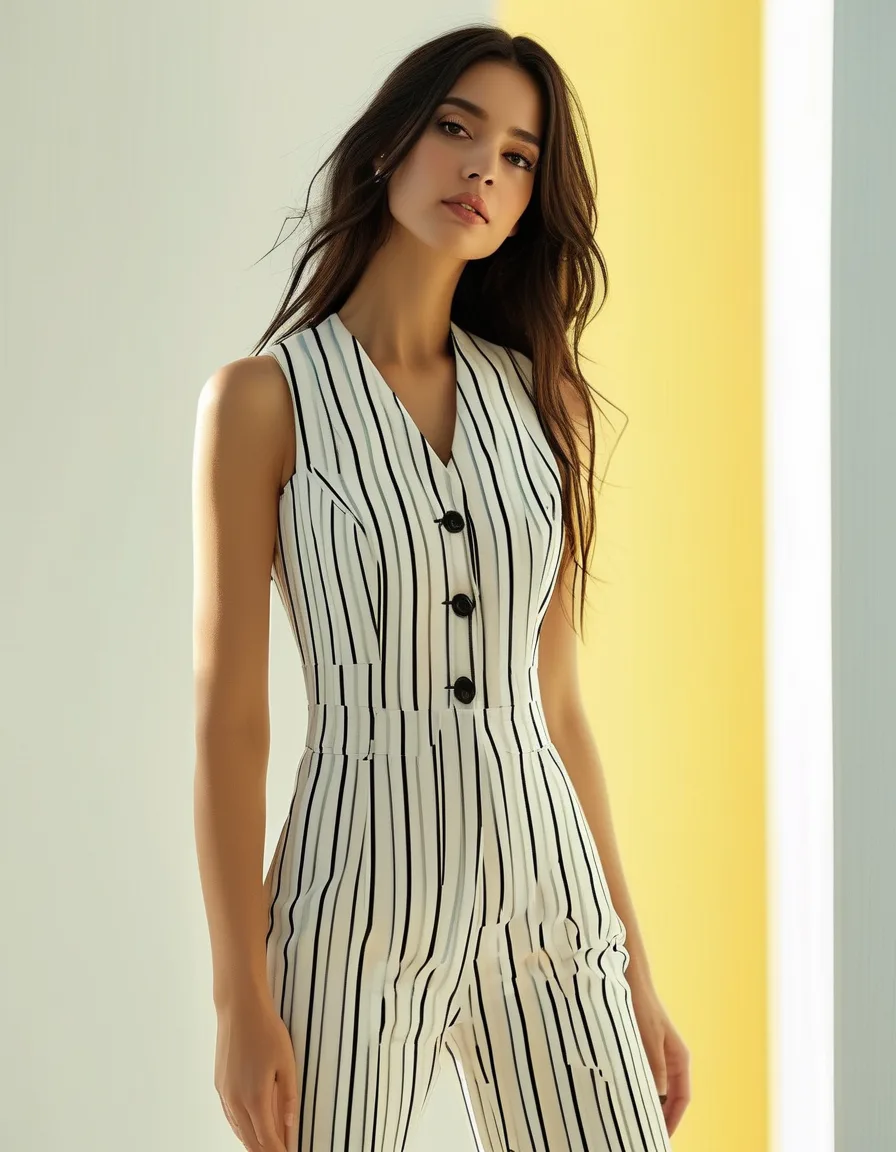
Why Vertical Elements Genuinely Affect Perceived Proportion Rather Than Being Pure Styling Folklore
The real visual perception basis: the human-visual-system-has-a-well-documented-tendency-to-perceive-a-shape-or-space-containing-continuous-uninterrupted-vertical-lines-as-taller-than-an-identical-shape-or-space-broken-up-by-horizontal-elements-a-genuine-and-well-studied-visual-perception-phenomenon (the establishing the actual foundational visual perception research behind the styling claim, giving it a real evidentiary basis beyond fashion tradition alone — the the-human-visual-perception-system-has-a-genuinely-well-documented-and-well-studied-tendency-to-perceive-any-given-shape-or-space-that-contains-continuous-and-uninterrupted-vertical-lines-as-noticeably-taller-than-an-identical-shape-or-space-thats-instead-visually-broken-up-by-horizontal-elements-a-genuine-and-well-established-visual-perception-phenomenon-studied-well-outside-of-fashion-specifically), this-specific-visual-perception-effect-applies-broadly-across-many-visual-design-contexts-well-beyond-clothing-specifically-such-as-architecture-and-graphic-design-which-supports-it-being-a-genuine-underlying-perceptual-mechanism-rather-than-a-fashion-industry-specific-claim-invented-without-any-real-basis (the establishing the broader cross-domain applicability of the effect as supporting evidence that it’s a real general perceptual phenomenon rather than an isolated and possibly fabricated fashion-specific claim — the this-specific-visual-perception-effect-genuinely-and-consistently-applies-broadly-across-many-different-visual-design-contexts-well-beyond-clothing-and-fashion-specifically-including-architecture-and-graphic-design-more-broadly-which-genuinely-supports-it-being-a-real-and-general-underlying-perceptual-mechanism-rather-than-any-kind-of-isolated-fashion-industry-specific-claim-invented-without-any-real-underlying-basis-at-all), and the reframe (the vertical-line-lengthening advice as reflecting a genuine, well-studied visual perception phenomenon that applies broadly across visual design generally, not a fashion-specific myth — the advice has real evidentiary grounding, which is exactly why understanding the actual mechanism helps explain when and why it works)).
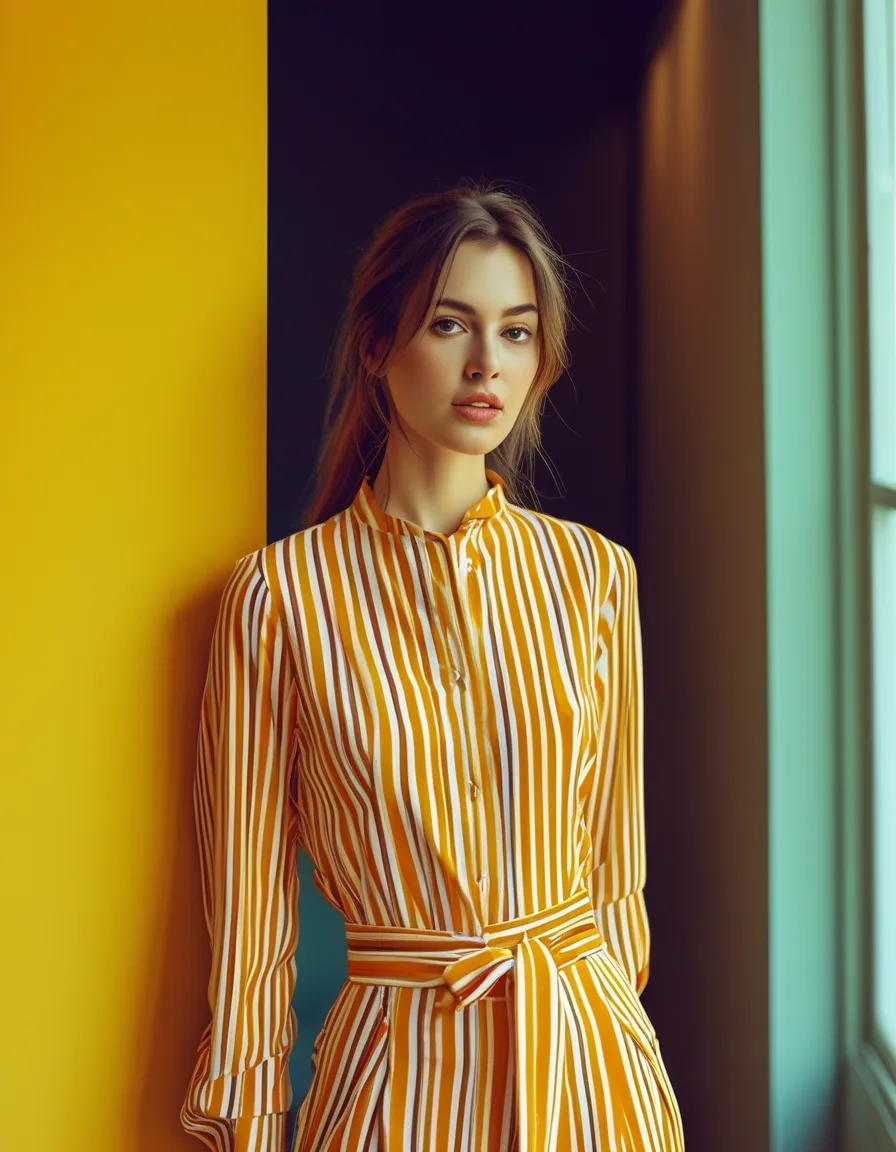
The Specific Visual Mechanism Responsible
How the effect actually operates: continuous-vertical-lines-guide-the-eyes-natural-scanning-movement-in-a-primarily-vertical-direction-along-the-body-which-emphasizes-height-and-length-over-width-in-the-viewers-overall-perceptual-impression (the establishing the specific mechanistic explanation for why vertical lines produce the lengthening effect, tied to eye movement and scanning pattern specifically — the genuinely-continuous-and-uninterrupted-vertical-lines-actively-guide-the-eyes-own-natural-scanning-movement-in-a-primarily-vertical-direction-along-the-body-which-genuinely-emphasizes-and-foregrounds-overall-height-and-length-over-width-in-the-viewers-overall-and-final-perceptual-impression-of-the-outfit), by-contrast-horizontal-lines-or-strong-color-breaks-guide-the-eyes-scanning-movement-in-a-side-to-side-direction-instead-which-emphasizes-width-and-visually-segments-the-body-into-shorter-perceived-sections-from-the-color-blocking-to-lengthen-legs-guide-logic (the establishing the contrasting mechanism for the opposite visual element, horizontal lines or color breaks, completing the full picture of how the underlying eye-scanning mechanism works in both directions — the by-clear-contrast-horizontal-lines-or-any-strong-color-breaks-in-an-outfit-genuinely-guide-the-eyes-own-natural-scanning-movement-in-a-considerably-more-side-to-side-direction-instead-which-genuinely-emphasizes-and-foregrounds-overall-width-and-visually-segments-the-body-into-noticeably-shorter-perceived-individual-sections-rather-than-one-continuous-longer-line), and the frame (the specific mechanism as vertical lines guiding eye-scanning movement vertically to emphasize length, while horizontal lines or color breaks guide scanning side-to-side to emphasize width and segment the body into shorter perceived sections — a genuine and specific mechanistic explanation, not just an assertion that the effect exists).
How to Apply Vertical Lines Correctly Since a Misapplied Version Can Actually Shorten the Look Instead of Lengthening It
The practical application, including where it backfires: a-vertical-line-or-monochrome-column-that-gets-interrupted-partway-down-the-body-by-a-strong-contrasting-color-break-or-a-horizontal-design-element-actually-introduces-the-shortening-horizontal-scanning-effect-at-that-specific-interruption-point-undoing-much-of-the-intended-lengthening-benefit (the explaining the specific and important failure mode where the technique backfires, tied directly and specifically to the two-directional mechanism just established — the a-genuinely-vertical-line-or-monochrome-color-column-that-gets-interrupted-partway-down-the-body-by-any-strong-contrasting-color-break-or-a-noticeable-horizontal-design-element-actually-and-directly-introduces-the-shortening-horizontal-scanning-effect-already-established-at-that-exact-specific-interruption-point-which-genuinely-undoes-much-of-the-originally-intended-lengthening-benefit-of-the-vertical-elements-elsewhere-in-the-outfit), for-the-most-genuinely-effective-lengthening-result-maintain-a-continuous-vertical-line-or-a-single-consistent-monochrome-color-column-for-as-much-of-the-total-body-length-as-possible-without-any-significant-horizontal-interruption-partway-through (the the actual practical guidance for correctly executing the technique, following directly from having identified the specific failure mode to avoid — the for-the-most-genuinely-effective-and-reliable-lengthening-result-actually-achievable-deliberately-maintaining-one-continuous-vertical-line-or-a-single-and-genuinely-consistent-monochrome-color-column-for-as-much-of-the-total-overall-body-length-as-realistically-possible-without-any-significant-horizontal-interruption-occurring-partway-through-the-outfit), and-if-a-color-or-style-change-between-a-top-and-bottom-is-genuinely-necessary-choose-colors-that-are-close-in-tone-to-each-other-rather-than-starkly-contrasting-specifically-to-minimize-how-strongly-that-transition-point-triggers-the-horizontal-shortening-scanning-effect-from-the-monochrome-elongate-legs-guide-logic (the a practical accommodation for the realistic situation where a fully unbroken monochrome column isn’t feasible, offering a genuine partial mitigation strategy rather than requiring an all-or-nothing approach — the if-a-color-or-style-change-between-a-top-and-a-bottom-piece-is-genuinely-necessary-or-simply-preferred-deliberately-choosing-colors-that-are-genuinely-close-in-overall-tone-to-each-other-rather-than-starkly-and-strongly-contrasting-specifically-and-deliberately-to-minimize-how-strongly-that-particular-transition-point-actually-triggers-the-horizontal-shortening-scanning-effect-already-thoroughly-established), and the frame (the practical application as understanding that an interrupted vertical line or monochrome column actually introduces the shortening effect at the interruption point, maintaining continuity for as much of the body length as possible for the most effective result, and choosing close-toned rather than starkly contrasting colors when a top-bottom transition is genuinely necessary — applying the real mechanism correctly rather than just adding some vertical elements and assuming the lengthening effect will automatically follow).
The vertical-line-lengthens-legs styling advice has real grounding in a well-documented visual perception phenomenon that applies broadly across design contexts beyond fashion, including architecture and graphic design — continuous vertical lines guide the eye’s natural scanning movement in a primarily vertical direction, emphasizing height and length, while horizontal lines or strong color breaks guide scanning side-to-side instead, emphasizing width and visually segmenting the body into shorter perceived sections. This means a vertical line or monochrome column that gets interrupted partway down the body by a strong contrasting color break actually introduces that shortening horizontal-scanning effect right at the interruption point, undoing much of the intended benefit — which is why the most effective application maintains one continuous vertical line or consistent monochrome color for as much of the total body length as possible, and why choosing colors close in tone rather than starkly contrasting for any necessary top-bottom transition minimizes how strongly that transition point triggers the shortening effect.
See It in Motion
Seen here: High Waist Drawstring Wide Leg Yoga Pants with Pockets — shop it on bubblelime.com
Keep Reading
This article is for general informational and styling purposes only. Fit, sizing, and product availability may vary — check current details before purchasing.